Spring (March - May)
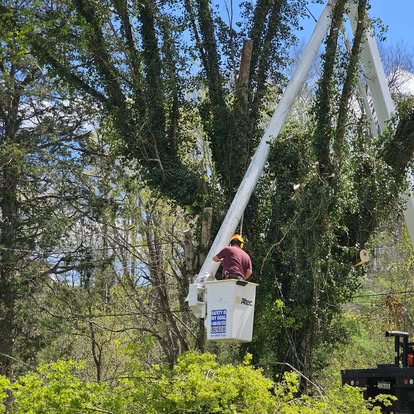
Spring is the time of renewal and the ideal season for many tree care activities. As temperatures warm and trees break dormancy, it's crucial to assess winter damage and prepare for the growing season.
Assess Winter Damage
Inspect trees for broken branches, frost cracks, and storm damage. Address hazards before leaves emerge and hide problems.
Early Spring Pruning
Prune summer-flowering trees and shrubs before new growth. Remove dead, damaged, or crossing branches.
Mulch Application
Apply 2-4 inches of mulch around trees, keeping it away from the trunk. This retains moisture and regulates soil temperature.
Fertilization
Feed trees with slow-release fertilizer as they emerge from dormancy. Soil testing can guide nutrient needs.
Plant New Trees
Spring is ideal for planting. Choose native species suited to our WV climate and soil conditions.
Pest Inspection
Watch for emerging pest problems like tent caterpillars and aphids. Early treatment prevents major damage.
Pro Tip
Wait until after spring-flowering trees like dogwood and redbud bloom before pruning them. Pruning before bloom removes flower buds and ruins the display.
Summer (June - August)
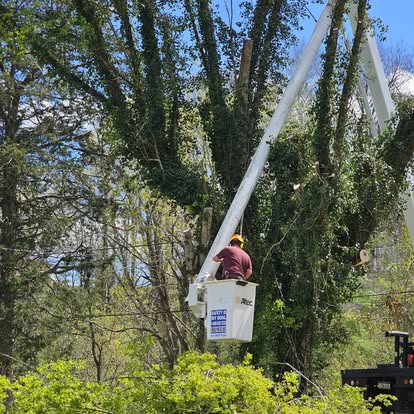
Summer is about maintenance and monitoring. Hot, humid conditions in the tri-state area can stress trees and promote disease. Focus on watering, pest management, and light pruning.
Deep Watering
Water deeply but infrequently during drought. Young trees need 10-15 gallons weekly. Mature trees may need supplemental watering during extended dry spells.
Summer Pruning
Light pruning to remove water sprouts and suckers. This is also a good time to prune spring-flowering trees after they bloom.
Storm Preparation
Summer storms are common. Remove dead branches and have hazardous limbs professionally addressed before storm season peaks.
Disease Monitoring
Watch for signs of fungal diseases like powdery mildew, leaf spot, and anthracnose which thrive in humid conditions.
Insect Management
Monitor for Japanese beetles, bagworms, and borers. Contact an arborist if you notice significant pest activity.
Lawn Care Around Trees
Avoid damaging tree bark with mowers and string trimmers. Maintain mulch rings to eliminate the need to mow close to trunks.
Pro Tip
Avoid heavy pruning in summer heat—it stresses trees. Save major pruning for dormant season unless removing hazardous branches.
Fall (September - November)
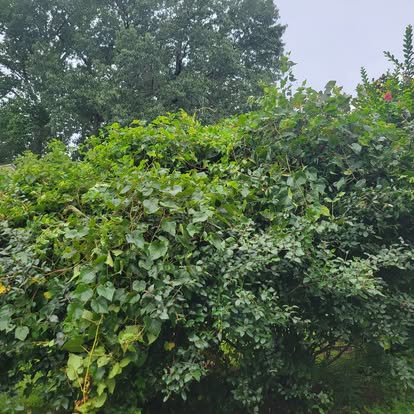
Fall is the second-best planting season and an excellent time for tree work. As trees prepare for dormancy, it's time to get your property ready for winter.
Fall Planting
Plant trees 6-8 weeks before the ground freezes. Fall planting allows root establishment before winter dormancy.
Leaf Management
Remove fallen leaves from lawns but consider leaving some in garden beds as natural mulch. Composting is an eco-friendly option.
Structural Pruning
As leaves drop, tree structure becomes visible. This is an excellent time to assess and plan winter pruning needs.
Deep Root Watering
Continue watering until the ground freezes. Trees need moisture reserves for winter, especially evergreens.
Wrap Young Trees
Protect young, thin-barked trees from sunscald and frost cracks with tree wrap applied from base to first branches.
Clean Up Debris
Remove fallen fruit and diseased plant material to reduce pest and disease pressure next spring.
Pro Tip
Schedule tree removal projects for late fall or winter. With leaves gone, crews can work more efficiently and there's less impact on surrounding plants.
Winter (December - February)
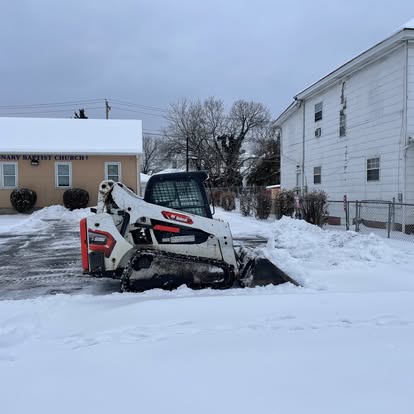
Winter dormancy is the ideal time for major pruning and tree removal. With trees bare, arborists can see the structure clearly and work efficiently.
Dormant Pruning
The best time for major pruning of most deciduous trees. Wounds heal faster when growth resumes in spring.
Tree Removal
Winter is often the most cost-effective time for removals. Frozen ground protects lawns from equipment damage.
Snow and Ice Management
Gently brush heavy snow from evergreen branches. Never try to remove ice—let it melt naturally to avoid branch damage.
Salt Damage Prevention
Use plant-friendly deicers near trees. Create barriers to prevent salt spray from reaching tree roots and trunks.
Planning and Assessment
With leaves gone, it's easy to spot structural issues. Use winter to plan spring projects and schedule early.
Protect from Wildlife
Install guards to protect young trees from deer rubbing and rodent gnawing during winter when food is scarce.
Pro Tip
Book winter tree work early! It's our busiest season for pruning and removal. Schedule before the holidays to get on the calendar.