Winter in the Huntington, WV tri-state area brings unique challenges—heavy snow, ice storms, freezing temperatures, and salt damage. Proper preparation and maintenance can prevent costly damage to your trees and property.
Protecting Trees from Snow & Ice
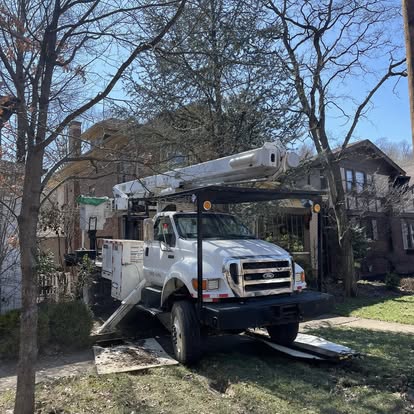
Heavy snow and ice can cause serious damage to trees, breaking branches and even splitting trunks. Here's how to minimize the risk:
Brush Off Snow Gently
Use a broom to gently brush snow from branches, working from the bottom up. Use upward strokes to lift snow off rather than pushing down.
Never Remove Ice
Let ice melt naturally. Trying to knock or chip ice off branches causes more damage than the ice itself. Be patient.
Wrap Young Trees
Protect thin-barked young trees from sunscald and frost cracks with commercial tree wrap applied in fall.
Tie Up Multi-Stems
Loosely tie together the stems of multi-trunk trees and upright evergreens to prevent splaying under snow load.
Stay Clear of Damaged Trees
After ice storms, stay away from trees with hanging branches or leaning trunks. Falling ice and weakened branches are extremely dangerous. Call a professional for assessment and removal.
Preventing Salt Damage
Road salt and deicing chemicals can severely damage trees and shrubs, causing browning, dieback, and even death.
How Salt Harms Trees
- Root damage: Salt in soil draws moisture away from roots
- Foliage burn: Salt spray causes browning on roadside plantings
- Soil damage: Salt changes soil structure and pH
- Delayed effects: Damage may not appear until spring or summer
Salt Damage Prevention
- Use plant-friendly deicers like calcium magnesium acetate near valuable trees
- Create physical barriers with burlap screens to block salt spray
- Flush soil thoroughly in early spring to leach salt from root zone
- Choose salt-tolerant species for roadside plantings
- Apply anti-desiccant sprays to evergreen foliage in fall
Salt-Tolerant Trees for Roadsides
Consider these species for areas exposed to salt: Black locust, Honey locust, Red oak, White oak, Black cherry, and most pines. Avoid maples, dogwood, and birch in salt-prone areas.
Winter Watering
Trees still need water in winter, especially evergreens and newly planted trees.
- Water before freeze: Deep water trees in late fall before ground freezes
- Warm day watering: Water during winter thaws when temps are above 40°F
- Focus on evergreens: They lose moisture through needles all winter
- New plantings: Trees planted in fall need extra attention
Signs of Winter Drought Stress
Evergreens turn brown or yellow, needles drop prematurely, bark cracks, and branch tips die back. These symptoms often appear in spring after winter drought damage.
Wildlife Protection
Winter is tough on wildlife, and hungry animals can damage your trees.
Deer Rubbing
Bucks rub velvet off antlers on small trees, stripping bark. Use tree guards or fencing around vulnerable trees.
Rodent Gnawing
Mice and voles gnaw bark under snow cover. Pull mulch back from trunk and use hardware cloth guards at base.
Rabbit Damage
Rabbits chew bark and small branches. Protect young trees with chicken wire guards extending above expected snow depth.
Bird Feeding Caution
Bird feeders attract birds that can damage trees. Place feeders away from valuable trees and clean up fallen seed.
Professional Snow Removal Services
Parlock Property Services offers comprehensive snow removal for residential and commercial properties throughout the tri-state area.
- Driveway and parking lot plowing
- Sidewalk and walkway clearing
- Salt and sand application
- 24/7 storm response
- Seasonal contracts available
- On-call services for occasional needs
After the Storm
Ice storms and heavy snow can leave a trail of damage. Here's what to do after a winter storm:
- Stay safe first: Avoid downed power lines and unstable trees
- Document damage: Take photos for insurance claims
- Assess trees: Look for hanging branches, split trunks, and leaning trees
- Prioritize: Address hazards to structures and walkways first
- Call professionals: Don't attempt hazardous cleanups yourself
- Be patient: Minor bends often recover as ice melts
Emergency Tree Service
Parlock Property Services offers 24/7 emergency response for storm damage. If you have a tree on your home, blocking your driveway, or posing an immediate safety threat, call us immediately.
Winter Preparation Checklist
- Schedule dormant pruning to remove weak branches
- Have hazardous trees assessed and addressed
- Apply tree wrap to young, thin-barked trees
- Install guards to protect from deer and rodents
- Deep water trees before ground freezes
- Mulch properly (not against trunk)
- Tie up multi-stem evergreens
- Stock up on plant-friendly deicer
- Know who to call for emergency tree service
- Arrange snow removal service if needed