Before the Storm: Preparation
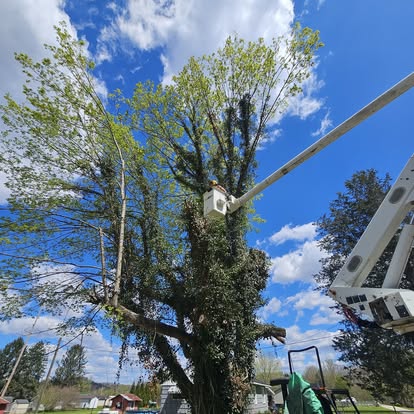
The best time to prepare for storm damage is before the storm arrives. Proactive tree care significantly reduces the risk of property damage during severe weather.
Annual Tree Maintenance
- Schedule professional pruning to remove dead, weak, and crossing branches
- Have a certified arborist assess tree health and structural integrity
- Address trees with included bark (V-shaped unions) or co-dominant stems
- Consider cabling or bracing for valuable trees with structural weaknesses
- Remove trees that pose an unacceptable risk to structures
When Storm is Approaching
- Secure loose outdoor items that could become projectiles
- Move vehicles away from large trees
- Identify the safest areas in your home away from large trees
- Have emergency contact numbers readily available
- Charge phones and have flashlights ready
- Know your insurance coverage and document property condition
Schedule Pre-Storm Assessment
Don't wait for a storm watch to think about your trees. Schedule a professional assessment in spring or fall to identify potential hazards and address them before storm season.
Identifying Tree Hazards
Know what to look for when assessing trees on your property:
Dead Branches
No leaves in season, bark falling off, brittle
Leaning Trees
Recent lean with root lifting or soil cracking
V-Shaped Unions
Weak branch attachments prone to splitting
Cavities & Decay
Hollow sections, fungal growth, soft wood
Root Problems
Circling roots, severed roots, heaving soil
Overextended Limbs
Long, heavy branches without support
High-Risk Trees
Trees within falling distance of your home, garage, power lines, or areas where people gather should be prioritized for assessment. The cost of an evaluation is minimal compared to potential damage.
After the Storm: Immediate Response
Stay safe and follow these steps after severe weather passes:
- Stay inside initially. Wait for conditions to stabilize. Falling branches and secondary collapses can occur even after the storm passes.
- Check for injuries. Ensure everyone in your household is safe before assessing property damage.
- Avoid downed power lines. Assume any fallen wire is energized. Stay at least 35 feet away and call your utility company immediately.
- Assess from a distance. Look for obvious hazards like leaning trees, hanging branches, and structural damage without approaching.
- Document damage. Take photos and videos from safe vantage points for insurance purposes.
- Contact professionals. Call for emergency tree service if there are immediate hazards to life or property.
Never Attempt Tree Work Yourself After a Storm
Storm-damaged trees are extremely dangerous. Branches under tension can release violently. Damaged trees can fall unpredictably. Always use professional tree services for storm cleanup.
Emergency vs. Non-Emergency Situations
Call Immediately For:
- Tree on house or structure
- Tree blocking emergency access
- Tree on vehicle with people inside
- Trees near downed power lines
- Hanging branches over walkways or driveways
- Trees threatening to fall on structures
Can Wait for Regular Service:
- Fallen branches in yard (no immediate hazard)
- Trees that fell away from structures
- Minor branch damage
- Cleanup of debris in safe areas
- Assessment of lightly damaged trees
- Cosmetic pruning needs
Recovery Timeline
Understanding the typical timeline helps set expectations for storm recovery:
0-24 Hours
Emergency hazard mitigation—removing trees from structures, clearing blocked access, securing immediate dangers.
24-72 Hours
Secondary emergency response—addressing hanging branches, unstable trees, and remaining hazards. High demand may cause delays.
1-2 Weeks
Non-emergency cleanup—removing fallen trees, debris hauling, initial property restoration.
2-4 Weeks
Follow-up work—corrective pruning on damaged trees, stump grinding, final cleanup.
Months Later
Ongoing monitoring—some tree damage doesn't appear immediately. Watch for decline, bark separation, and new dead branches.
Working with Insurance
Storm damage to trees may be covered by homeowners insurance. Here's what you need to know:
- Document everything: Take photos and video of all damage before cleanup begins
- Review your policy: Coverage varies—some policies cover removal only if the tree hit a structure
- Get written estimates: Obtain detailed quotes from licensed, insured tree services
- Keep receipts: Save all documentation of emergency work and repairs
- Ask about debris removal: This may be covered separately from tree removal
- Understand limits: Many policies cap tree removal coverage at $500-$1000 per tree
We Work with Insurance Companies
Parlock Property Services provides detailed documentation and estimates formatted for insurance claims. We can work directly with your adjuster to ensure proper coverage.
Avoiding Storm Chaser Scams
Unfortunately, storms bring out unscrupulous operators. Protect yourself:
- Never pay in advance: Reputable companies don't require large upfront payments
- Verify insurance: Ask for proof of liability and workers' compensation coverage
- Get it in writing: Insist on detailed written estimates before work begins
- Avoid door-knockers: Be wary of unsolicited offers from out-of-town crews
- Check references: Call the company's local references
- Trust your instincts: High-pressure tactics are a red flag
Red Flags to Watch For
Unmarked vehicles, no local address, cash-only payments, extreme discounts, and pressure to sign immediately are all warning signs of potential scams.